
Neighborhoods
Discover the communities Sean serves
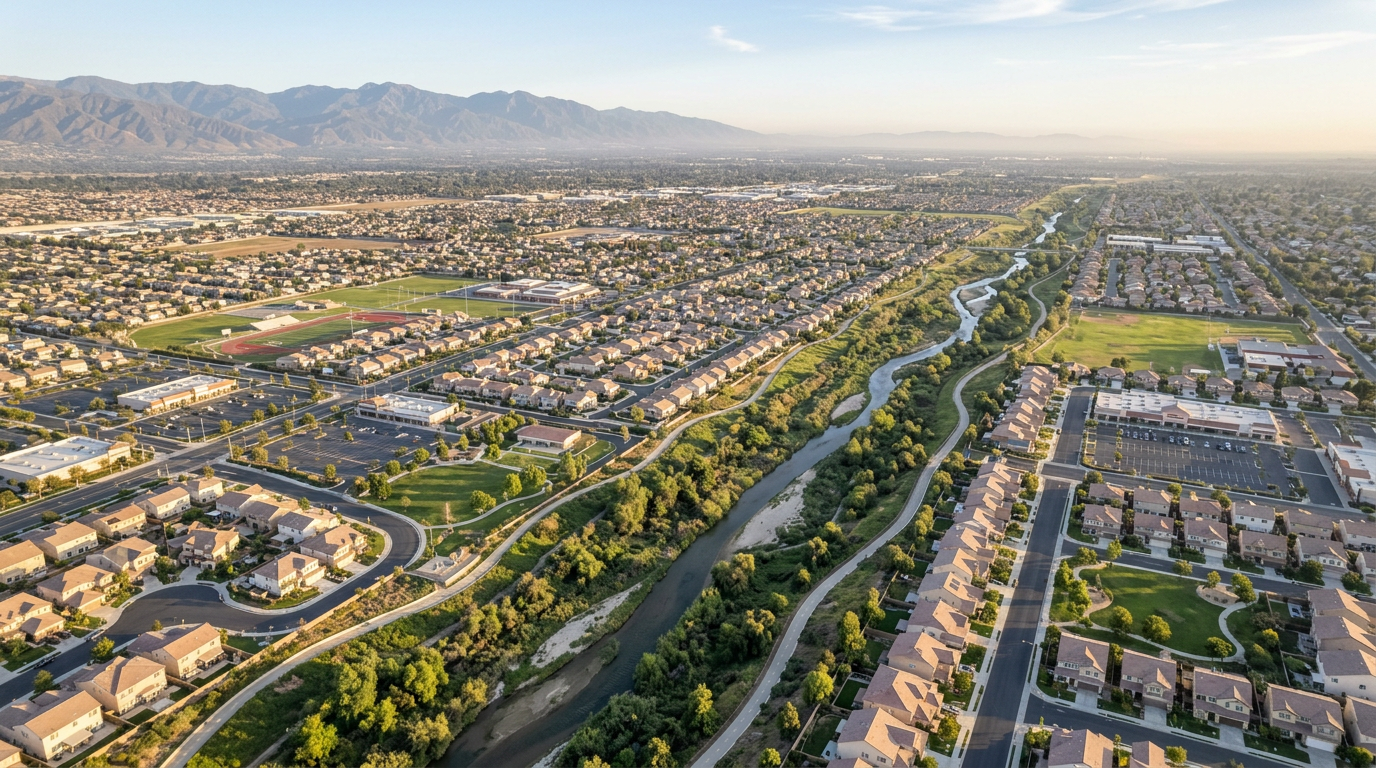
Eastvale
Eastvale sits in northwestern Riverside County, where the Inland Empire meets the foothills of the Chino Hills. This predominantly residential city unfolds across planned communities and family-oriented neighborhoods, with housing ranging from mid-sized single-family homes to larger properties on spacious lots. The architectural palette reflects its development over recent decades, featuring contemporary designs and Mediterranean-influenced exteriors that define much of Southern California's suburban landscape.
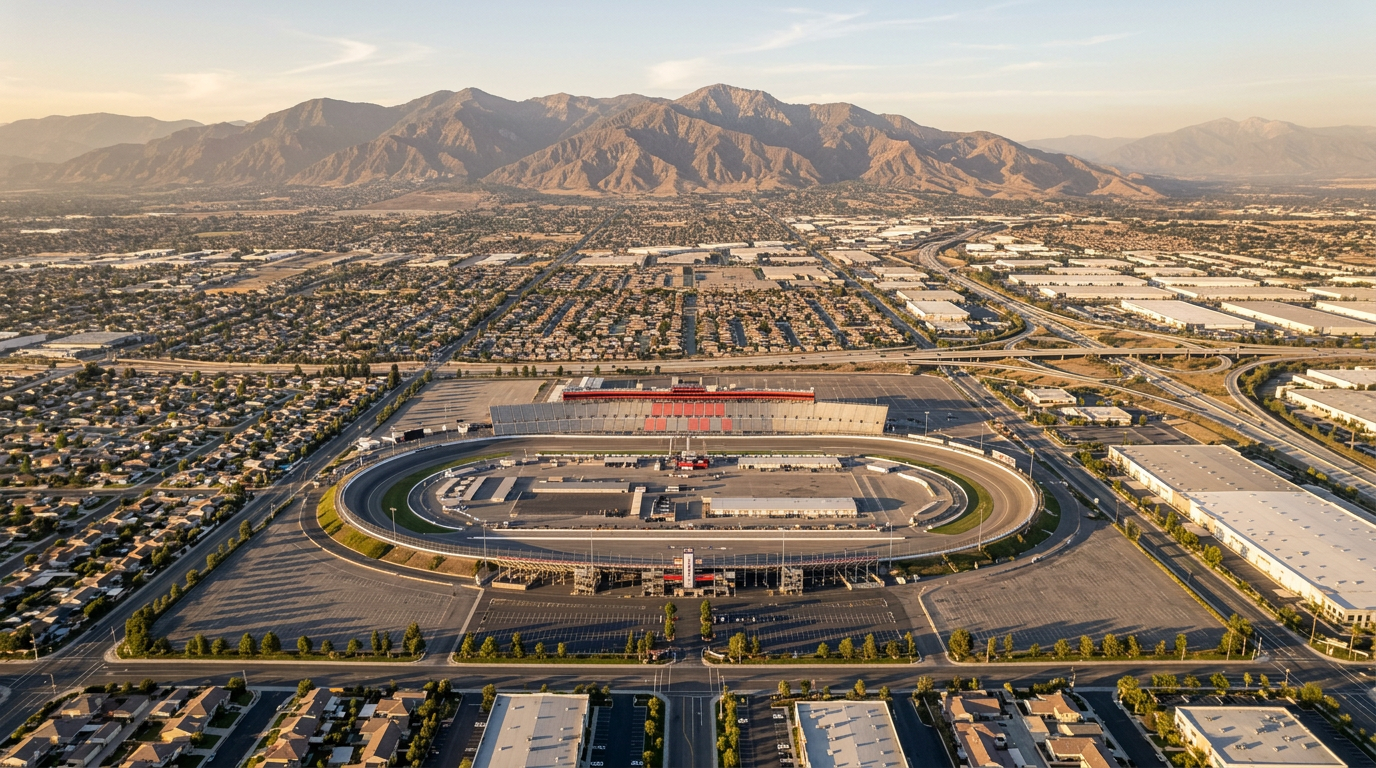
Fontana
Fontana stretches across the Inland Empire at the base of the San Bernardino Mountains, where suburban neighborhoods and commercial corridors serve a broad cross-section of Southern California residents. Housing here ranges from established single-family tracts to newer master-planned communities, with ranch-style homes, stucco-clad subdivisions, and townhomes reflecting decades of gradual expansion.
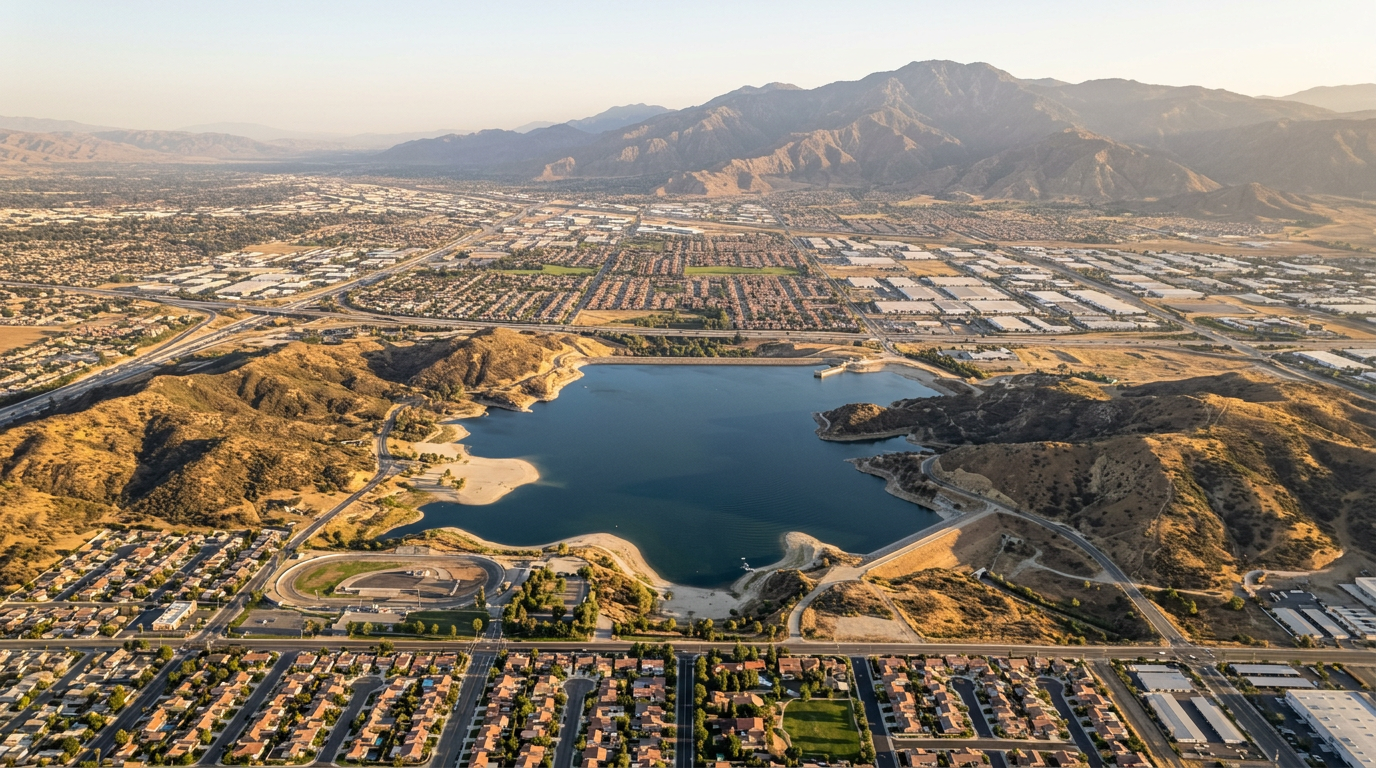
Riverside County
Riverside County stretches across Southern California's Inland Empire, from the San Bernardino Mountains down through desert valleys and into communities that blend suburban ease with wide-open space. The landscape shifts dramatically—rolling foothills and vineyard country in Temecula and Murrieta, urban neighborhoods and historic downtowns in Riverside and Corona, quiet residential areas in Menifee and Lake Elsinore, and sprawling desert expanses around Palm Springs and the Coachella Valley.
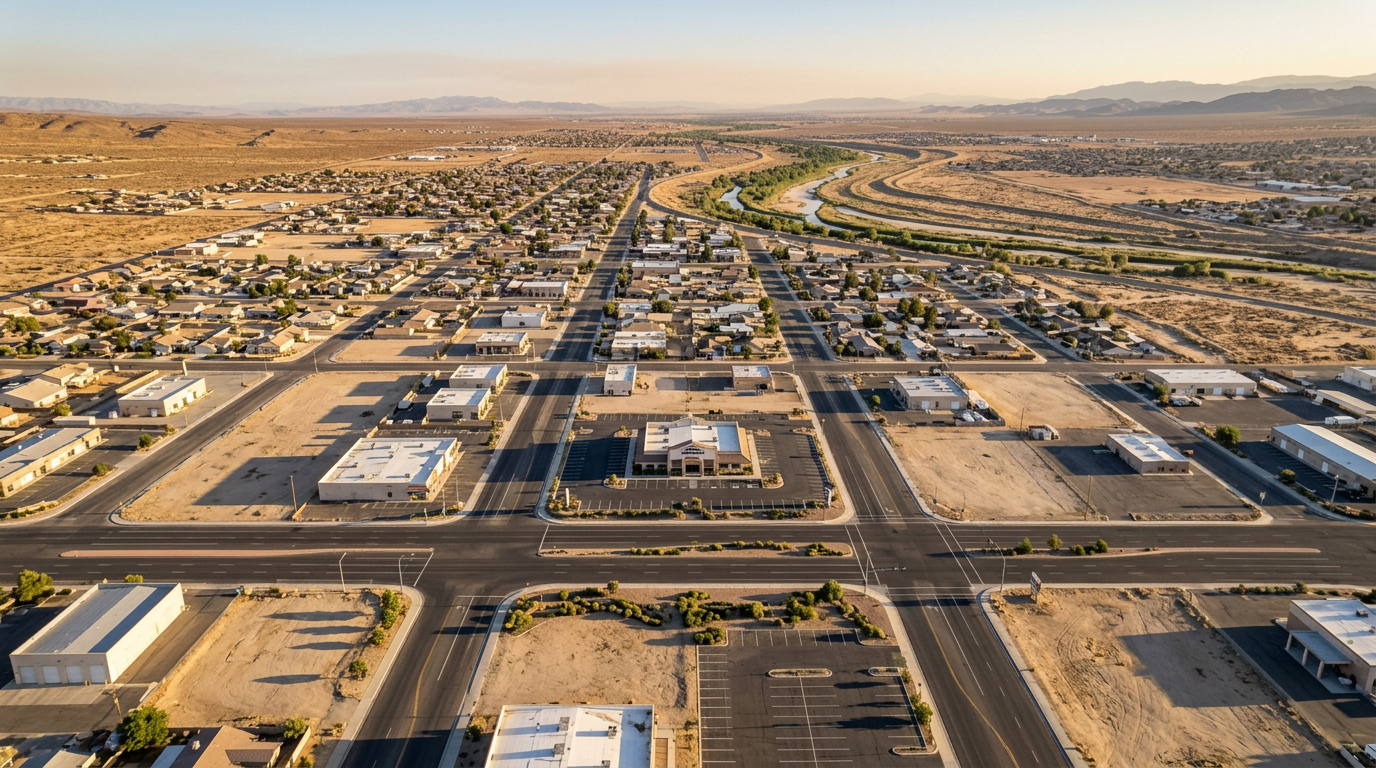
Victorville
Victorville spreads across the high desert of Southern California, where the Mojave meets the foothills of the San Gabriel and San Bernardino mountains. The city occupies a strategic position along historic Route 66 and Interstate 15, connecting the Inland Empire to Las Vegas and beyond. Housing here reflects the desert landscape—ranch-style homes, mid-century properties, and newer subdivisions built around wide streets and desert-adapted yards.
Chino
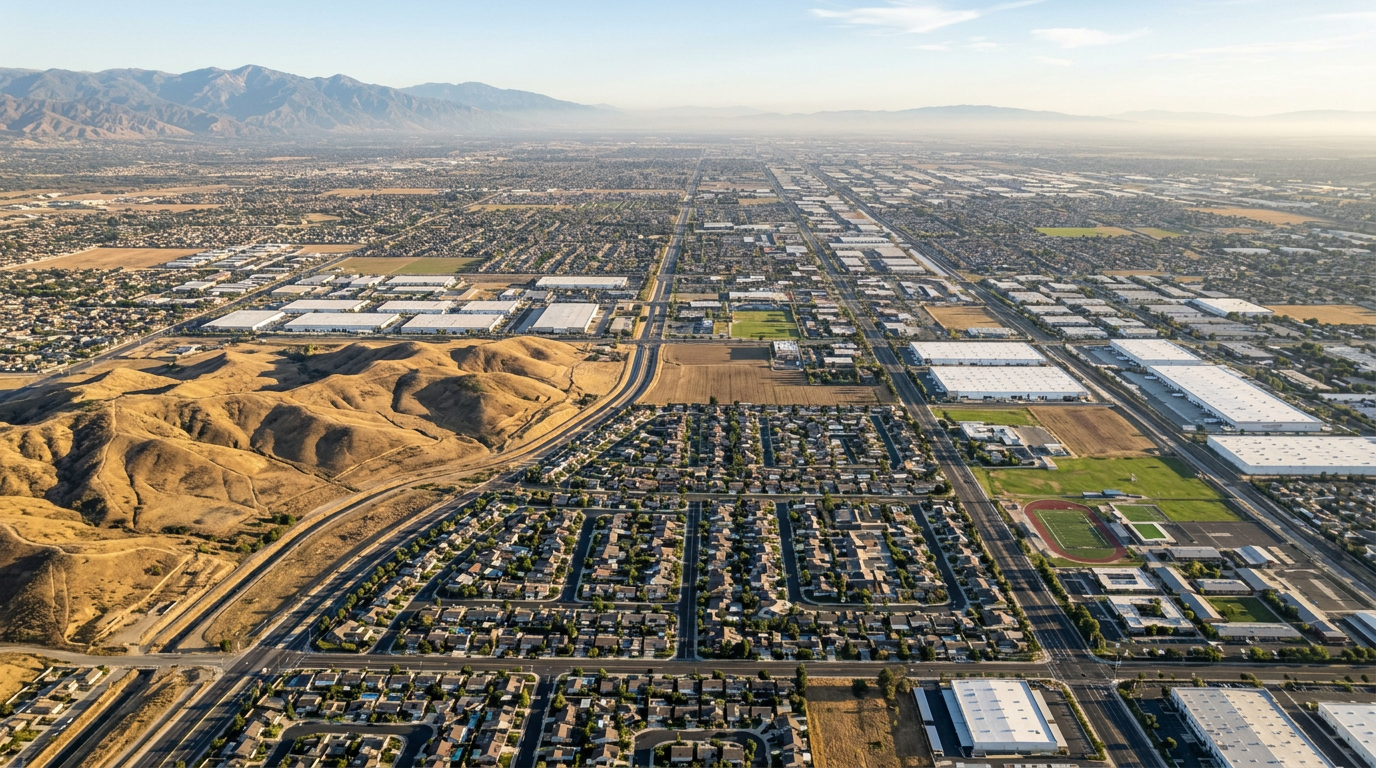
Chino sits in the western corner of San Bernardino County, where Southern California's Inland Empire begins to open toward open valleys and distant mountain views. The city blends suburban residential neighborhoods with remaining agricultural roots, visible in pockets of dairy farms and open land that recall its earlier character. Housing ranges from midcentury ranch homes in established areas to contemporary subdivisions with newer floor plans and amenities.
Ontario
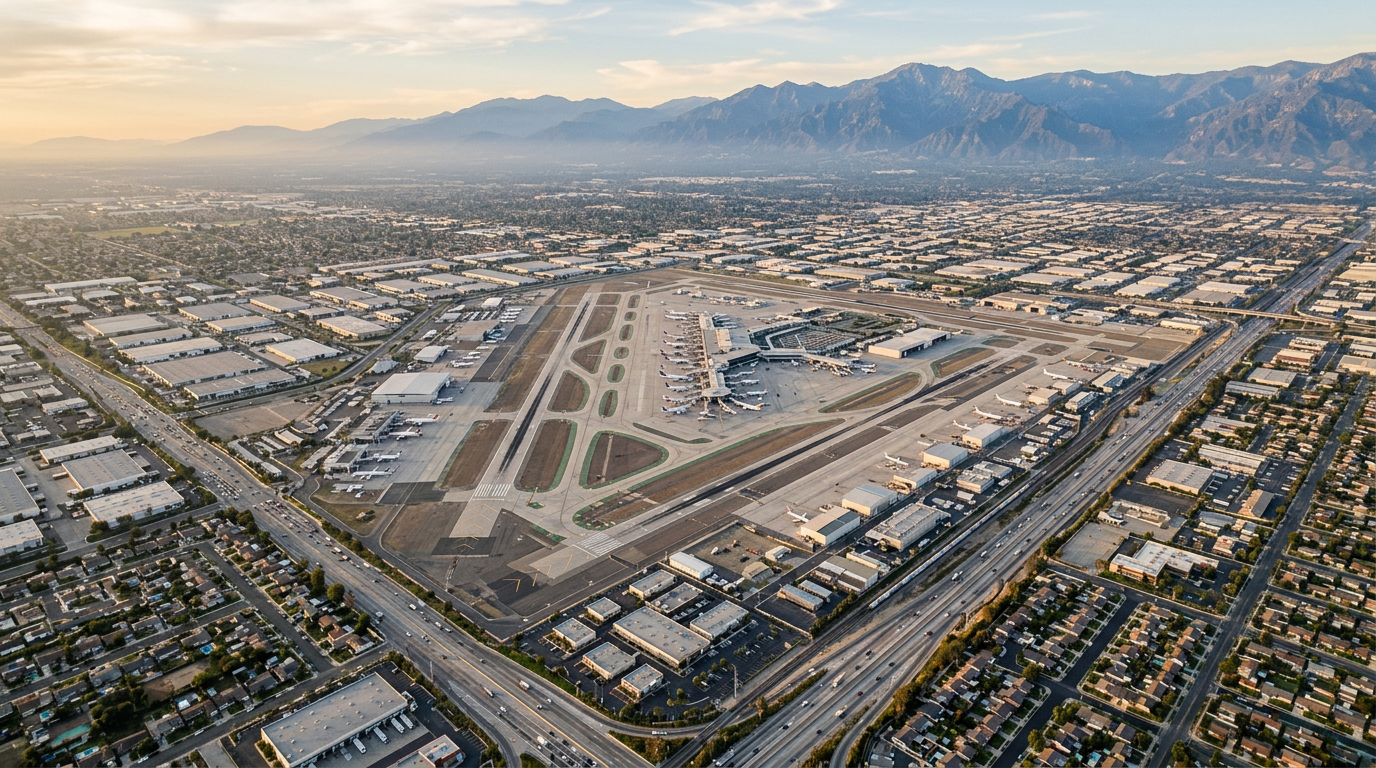
Ontario stretches across the western edge of the Inland Empire, where the valley floor meets the foothills of the San Gabriel and San Bernardino mountains. The city's identity is shaped by its proximity to a major international airport and its position along key transportation corridors, giving it a connected, fast-paced energy. Housing ranges from modest postwar neighborhoods with single-story homes to newer subdivisions with contemporary floor plans, plus townhomes and apartment communities near commercial centers.
Corona
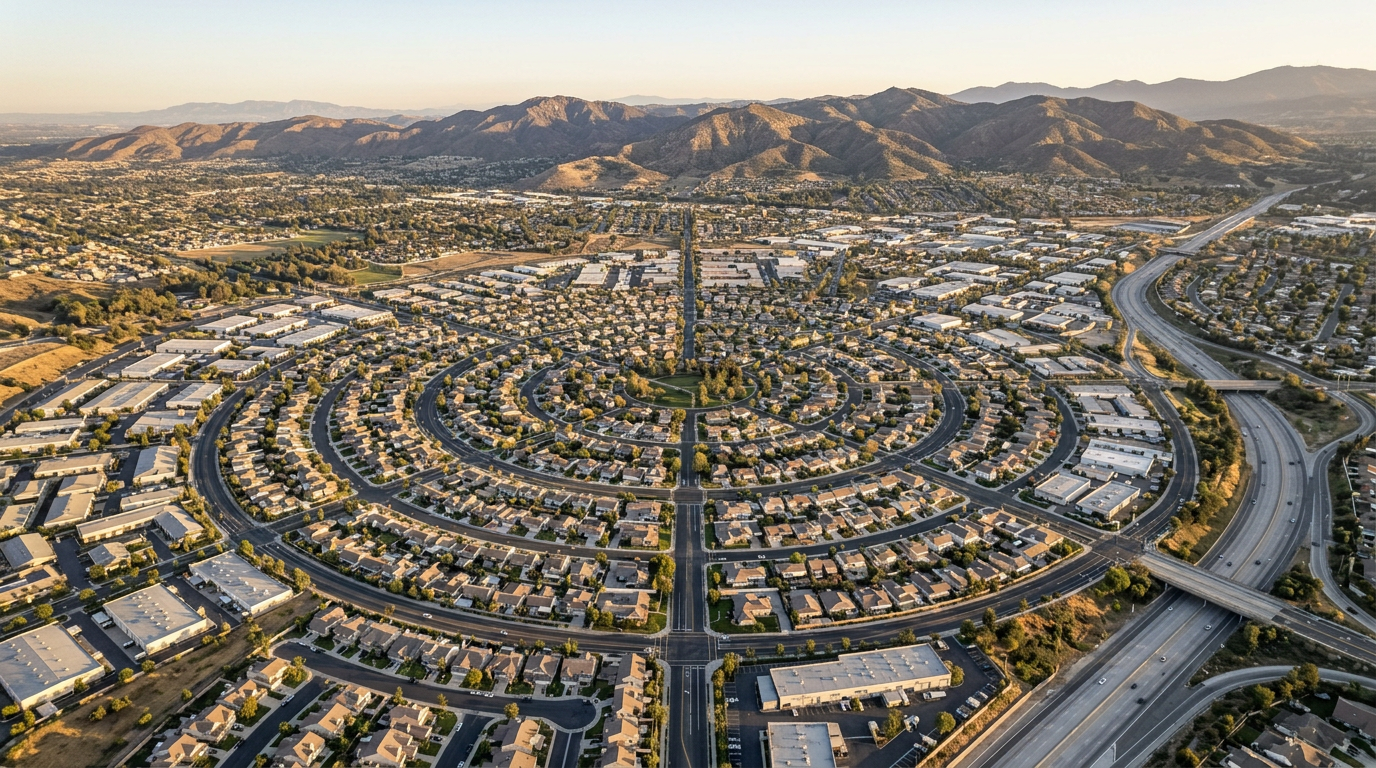
Corona sits at the base of the Santa Ana Mountains in Riverside County, where rolling hillsides meet sprawling valley neighborhoods. The city's layout reflects decades of Southern California growth, from older residential areas near the historic downtown to master-planned communities that stretch toward the foothills. Housing ranges from ranch-style homes on generous lots to contemporary subdivisions, with many properties offering mountain views.
Rialto
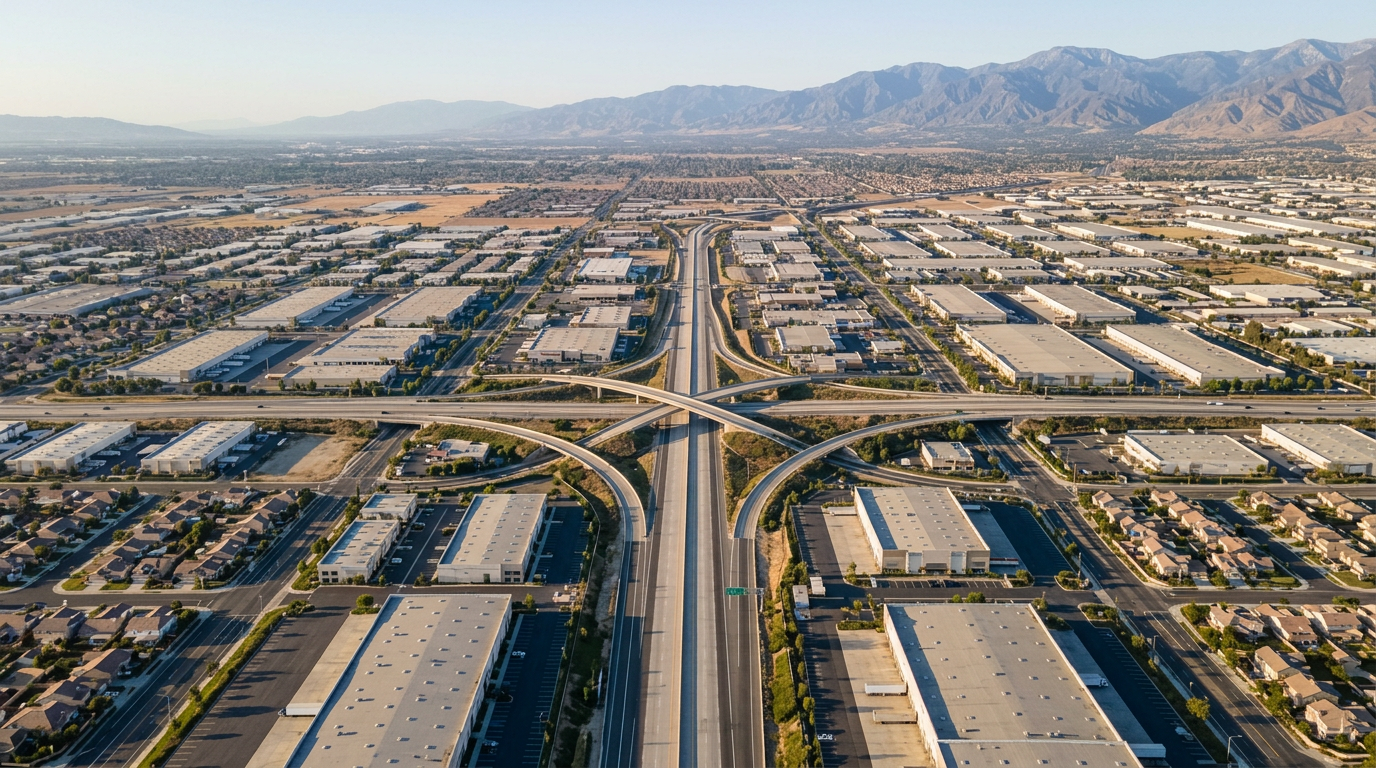
Rialto stretches across the Inland Empire, roughly an hour east of Los Angeles, where mountain views frame residential blocks filled with single-family homes, apartment complexes, and modest ranch-style properties. The city's landscape is distinctly Southern California—wide streets, palm-dotted medians, and a mix of older, established neighborhoods alongside newer residential tracts.
Rancho Cucamonga
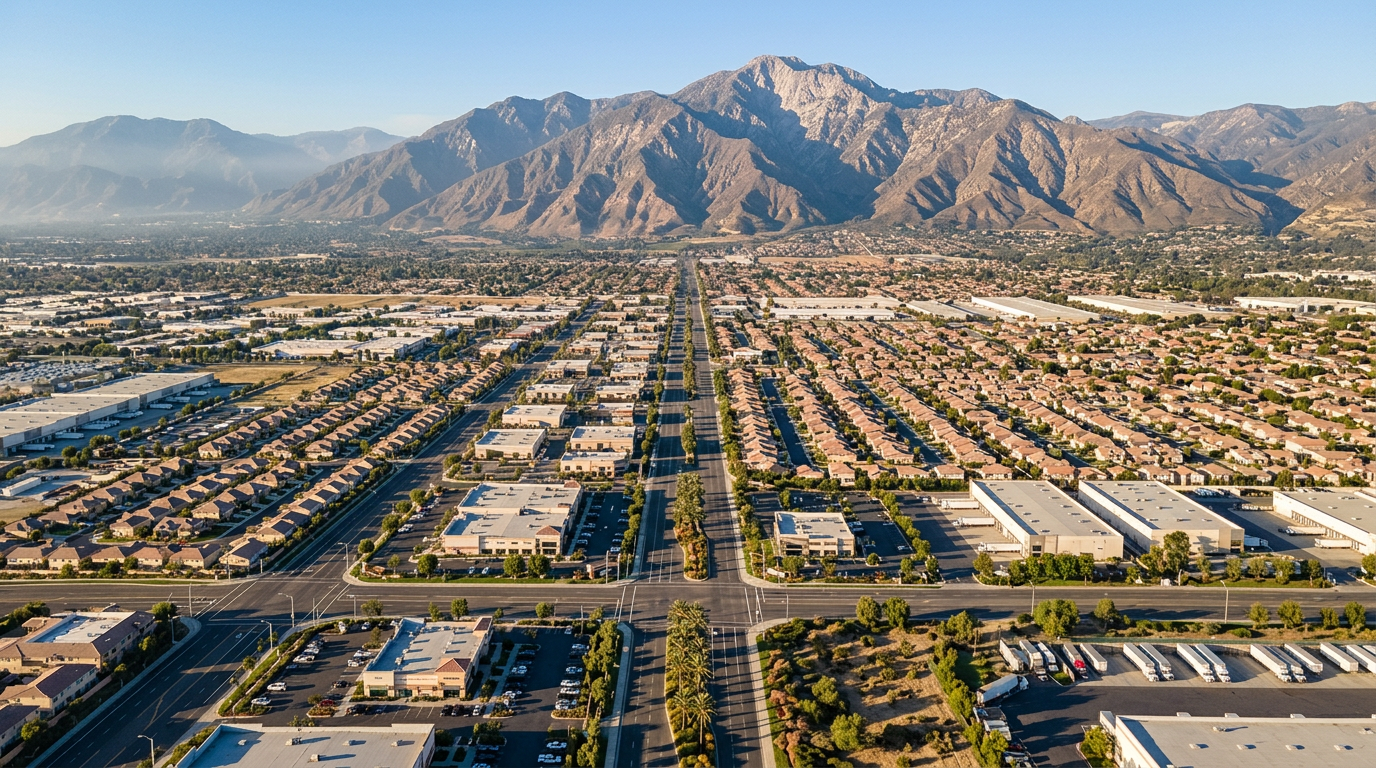
Rancho Cucamonga stretches across the foothills of the San Gabriel Mountains in California's Inland Empire, offering a suburban setting with dramatic mountain views and easy access to both Los Angeles and the desert cities beyond. The city's residential areas range from established single-family neighborhoods with mature landscaping to newer planned communities featuring contemporary architecture, while the downtown district blends historic Route 66 landmarks with modern shopping and dining.
Pomona
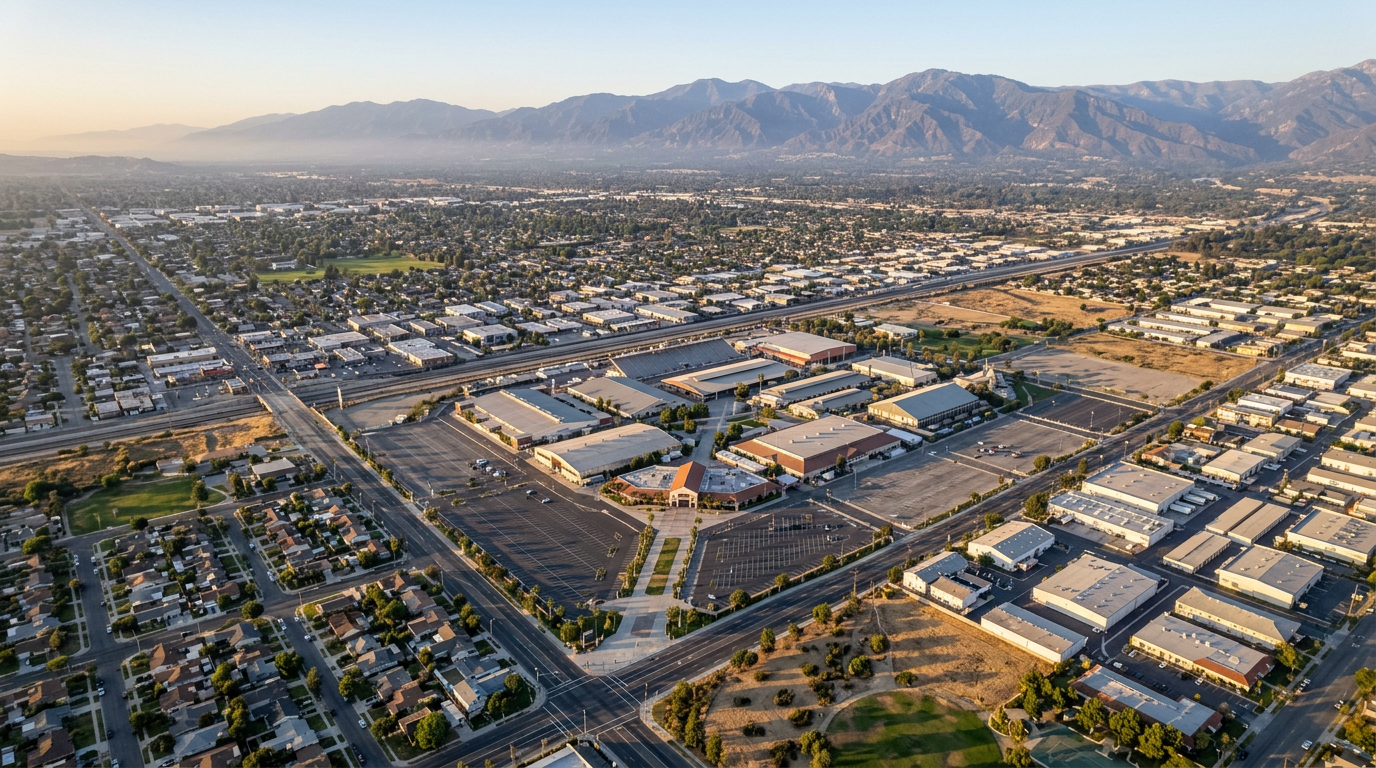
Pomona spreads across the eastern edge of Los Angeles County, where the San Gabriel Valley meets the Pomona Valley against a backdrop of distant mountain ranges. As one of California's older inland cities, it holds a mix of early-twentieth-century architecture in its downtown core, mid-century neighborhoods with tree-lined streets, and contemporary residential communities that have grown outward over the decades.

Los Angeles-Long Beach
The Los Angeles–Long Beach region stretches across coastal Southern California, encompassing one of the most diverse metropolitan landscapes in the country. From beach cities along the Pacific to inland valleys and hillside neighborhoods, the area offers an extraordinary range of settings—urban cores with high-rise living and walkable streets, sprawling residential neighborhoods with single-family homes, and quieter pockets tucked into canyons and foothills.
Chino Hills
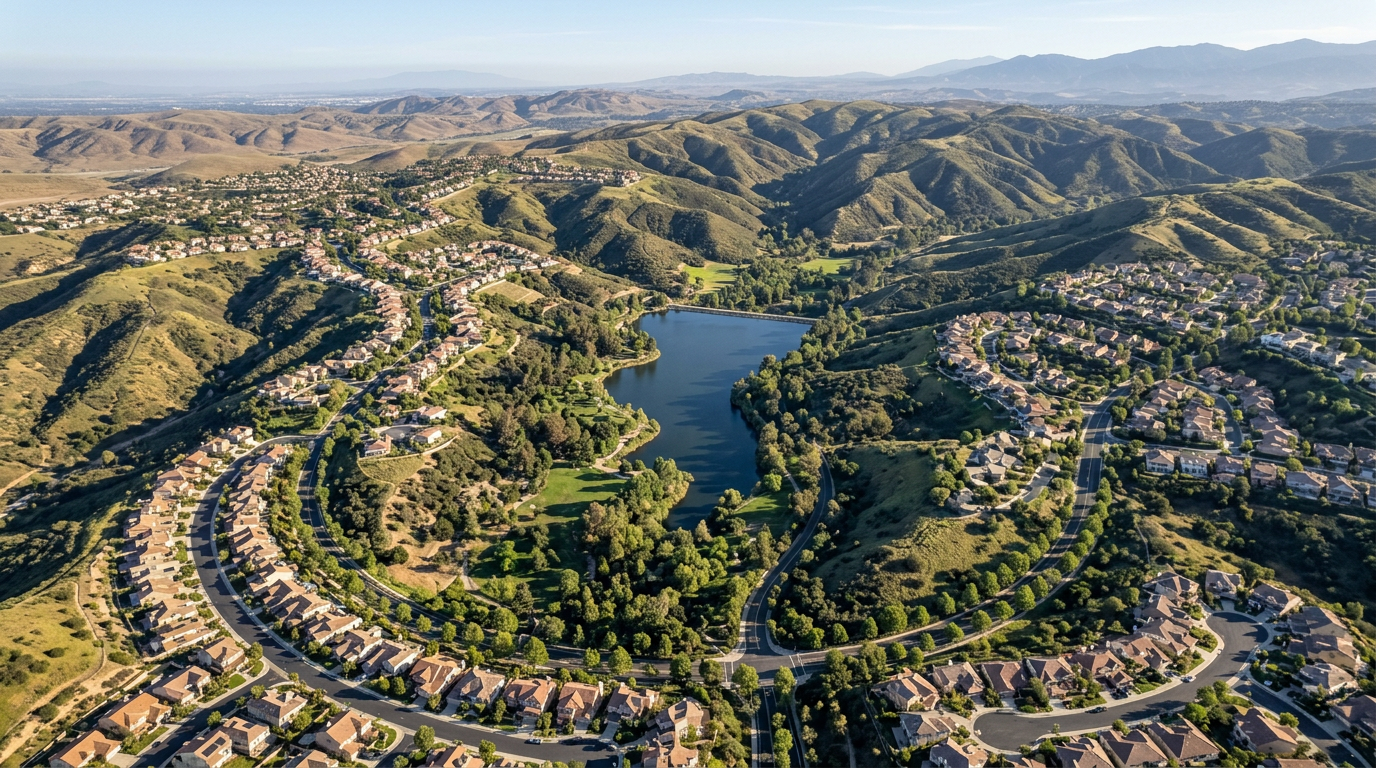
Chino Hills occupies rolling terrain in the southwestern corner of San Bernardino County, where the foothills meet the broader Los Angeles basin. The city's geography shapes its character—winding roads climb gentle slopes dotted with eucalyptus and oak, revealing views that stretch toward distant ridgelines and valleys below.
Murrieta
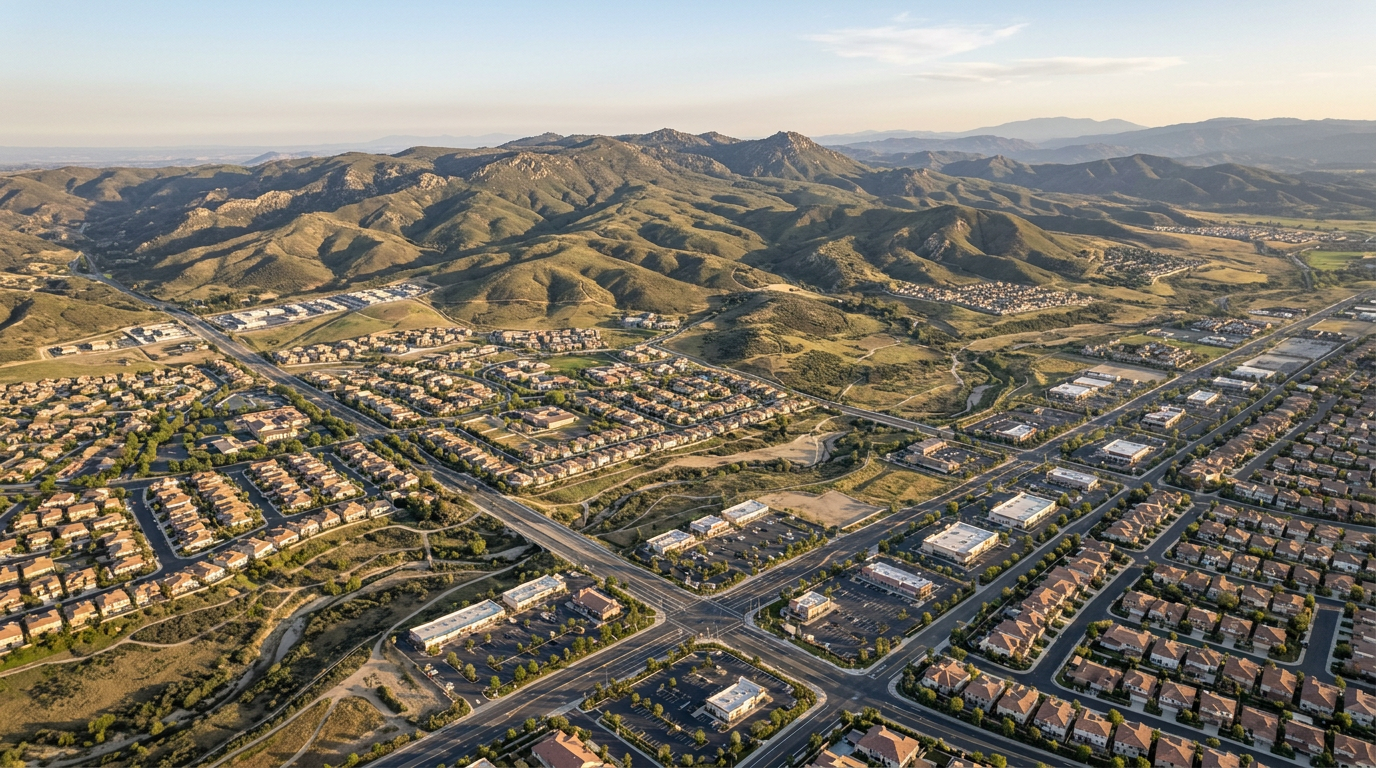
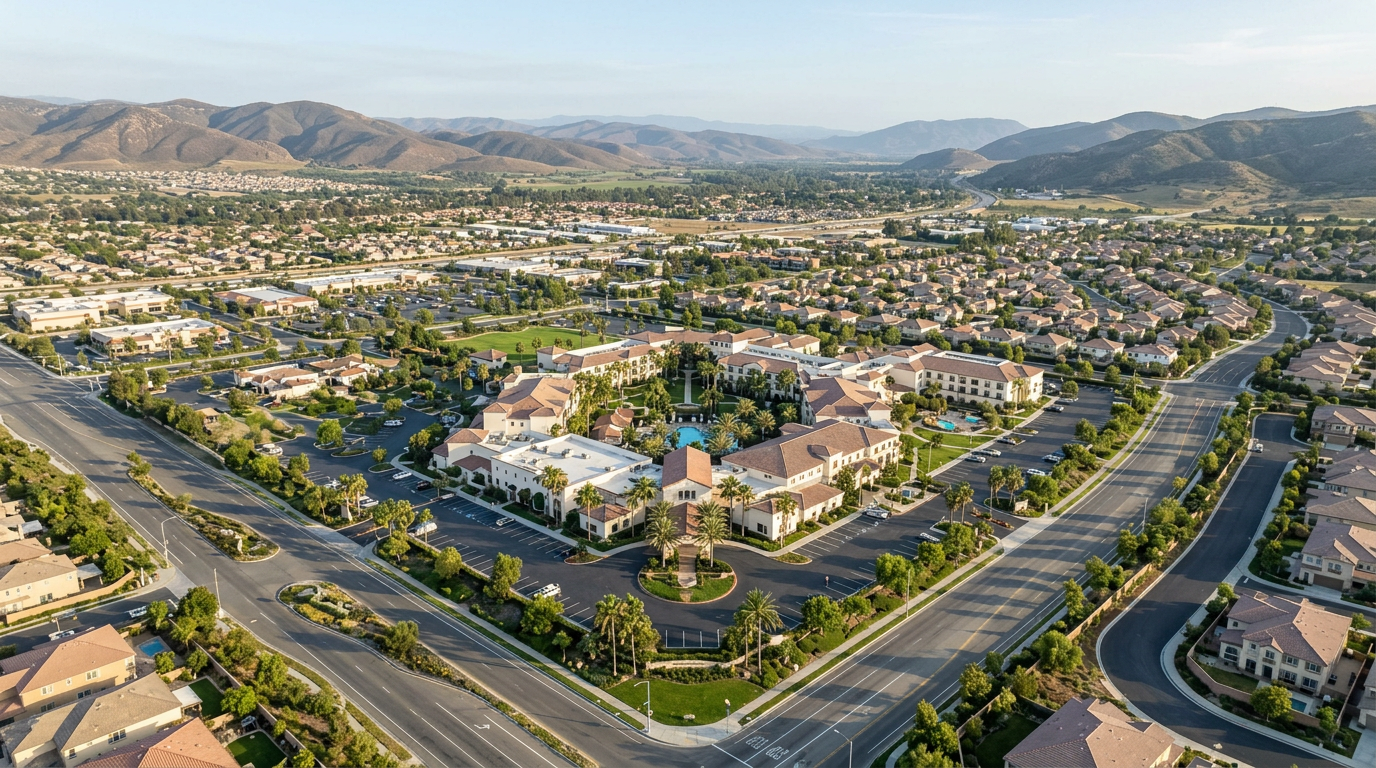
Murrieta spreads across the southwestern corner of Riverside County, where inland valleys meet low hills beneath Southern California's reliable sunshine. The city developed primarily from the 1990s onward, resulting in planned neighborhoods with wide streets, newer construction, and family-oriented subdivisions that define much of the residential landscape. Homes range from attached townhomes to spacious single-family properties with yards, many built in Mediterranean and ranch styles that reflect the region's climate and aesthetic.
Menifee
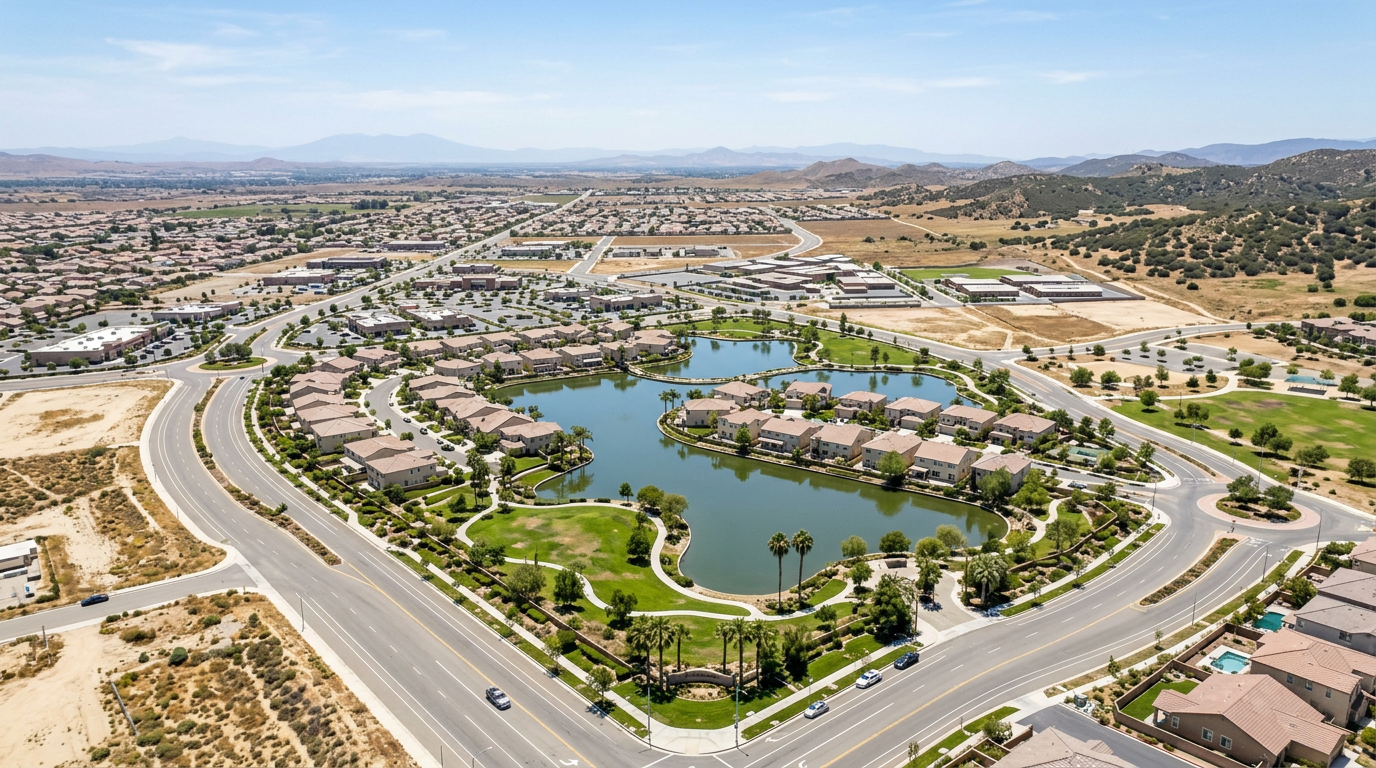
Menifee spreads across southwestern Riverside County, where rolling hills meet inland valleys about halfway between San Diego and Palm Springs. This relatively young city has grown into a suburban community defined by master-planned neighborhoods, wide streets, and spacious residential developments. Much of the housing stock consists of single-family homes with generous lots, though townhomes and newer mixed-use projects also appear throughout the city.
Winchester
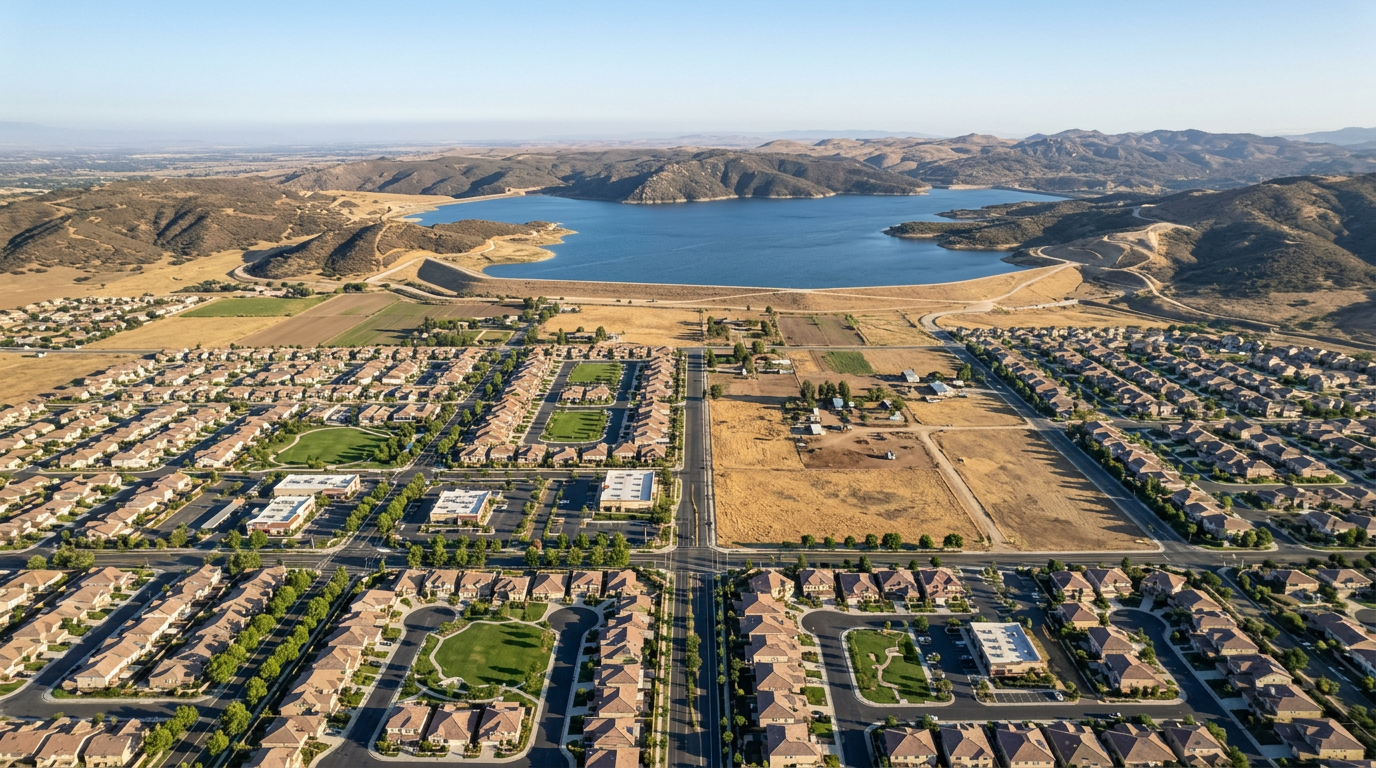
Winchester sits in southwestern Riverside County, where the landscape opens into rolling valleys with distant mountain views that define the inland Southern California horizon. The community is primarily residential, with a mix of single-family homes on larger lots that appeal to those seeking more land and breathing room than denser coastal areas allow. Ranch-style homes and newer developments blend into a setting that feels spacious and unhurried.
Temecula
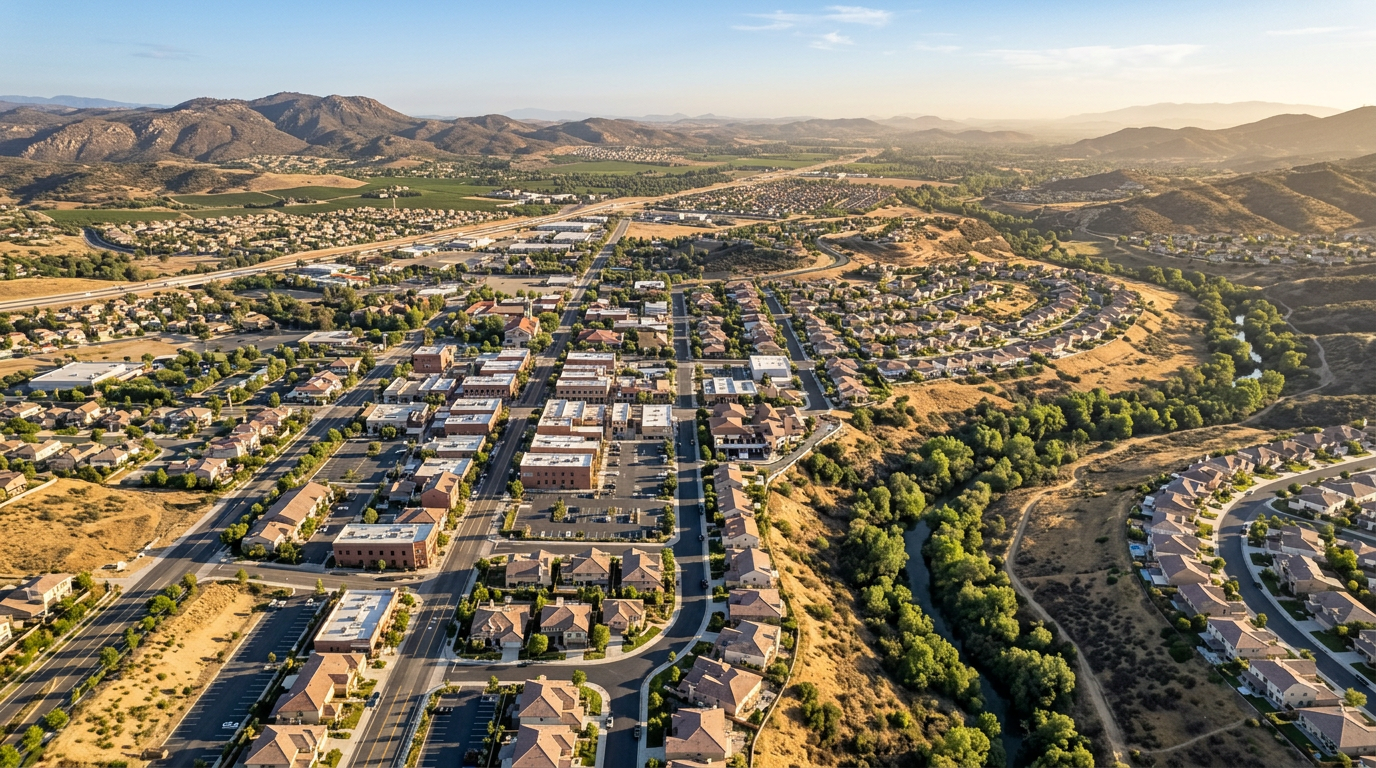
Temecula stretches across southwestern Riverside County, where rolling hills meet California wine country about an hour north of San Diego and south of the Inland Empire. The city blends Old Town's Western heritage — complete with wooden sidewalks and antique shops — with master-planned communities featuring Spanish and Tuscan-inspired architecture, established neighborhoods with mature landscaping, and rural-feeling properties on larger lots toward the outskirts.
Anaheim-Santa Ana-Irvine
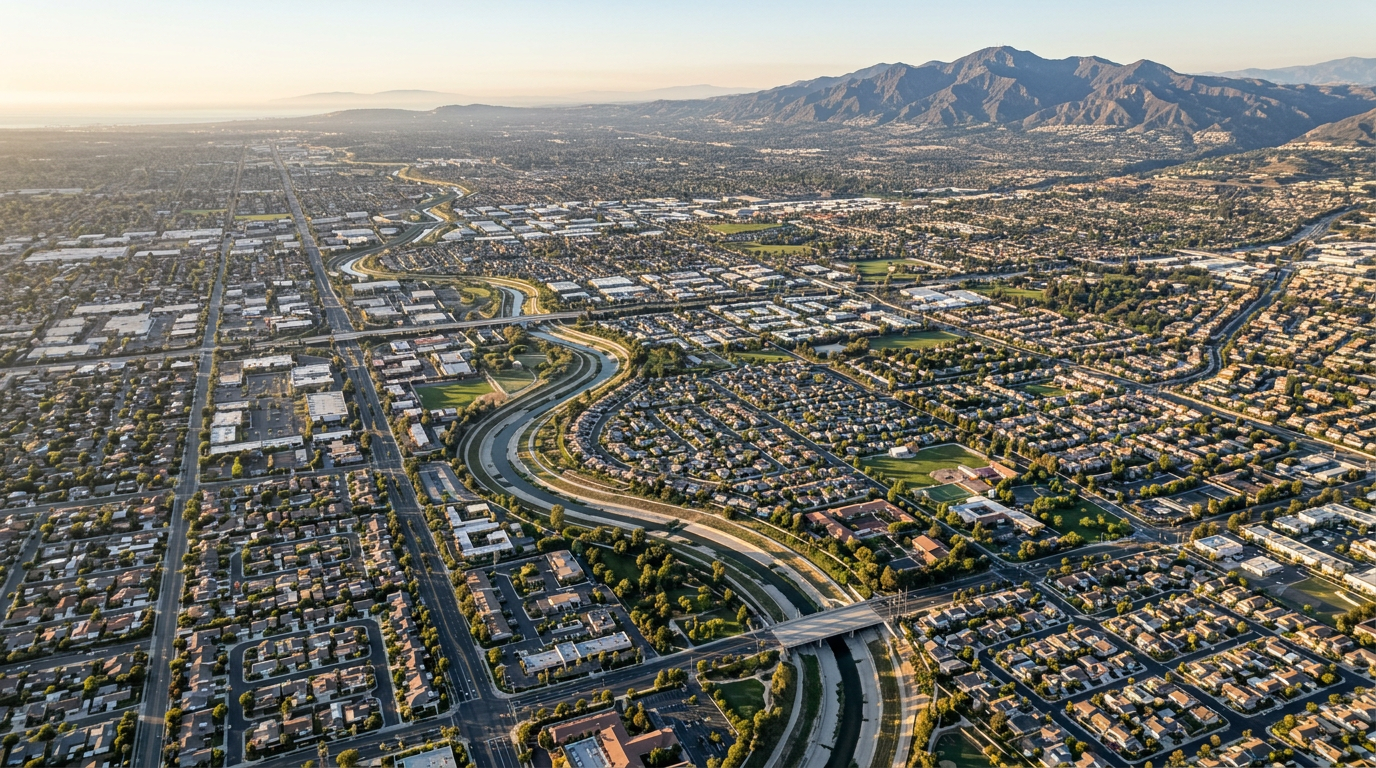
Stretching across central Orange County, the Anaheim-Santa Ana-Irvine area encompasses a diverse collection of communities that range from vibrant urban centers to master-planned residential neighborhoods. The landscape varies from dense commercial districts and established mid-century neighborhoods to newer developments with parks, trails, and tree-lined streets. Housing options span the spectrum—from condos and townhomes near employment hubs to single-family homes on spacious lots in planned communities.
Murrieta
Murrieta Hot Springs
Murrieta Hot Springs sits in the southwestern corner of Murrieta, a community originally built around its namesake natural mineral springs. The neighborhood maintains a suburban atmosphere with tree-lined streets, well-kept homes ranging from established single-family residences to newer developments, and an emphasis on outdoor living that draws residents to nearby trails and open spaces.